




Best Sellers
Browse our most popular products.


Loved By Customers
Let customers speak for us
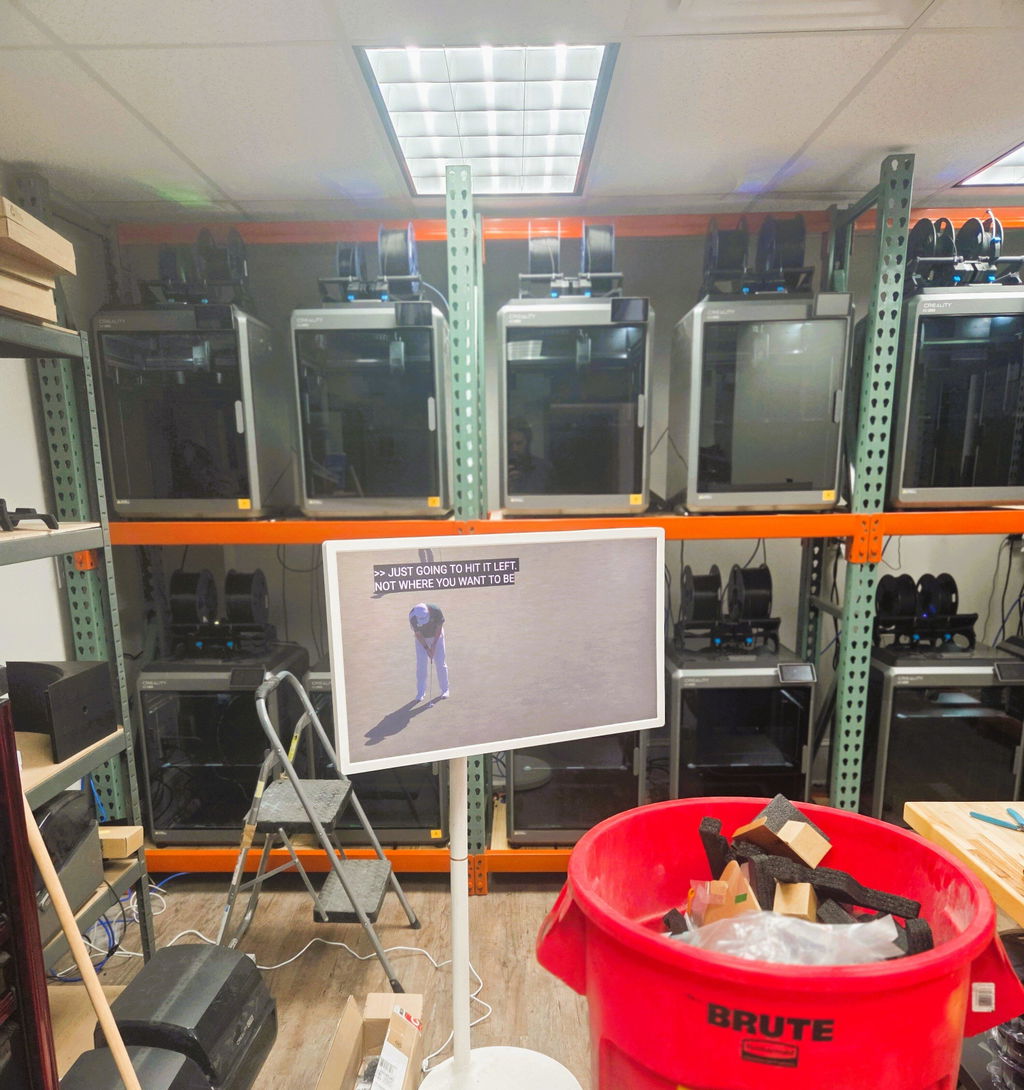
I had been using CFS and AMS for prints requiring more than 1kg rolls. There was always an issue with stuck filament, failed changeovers etc. I really needed consistency and these have provided that. I have bought one for all of my printers (24)
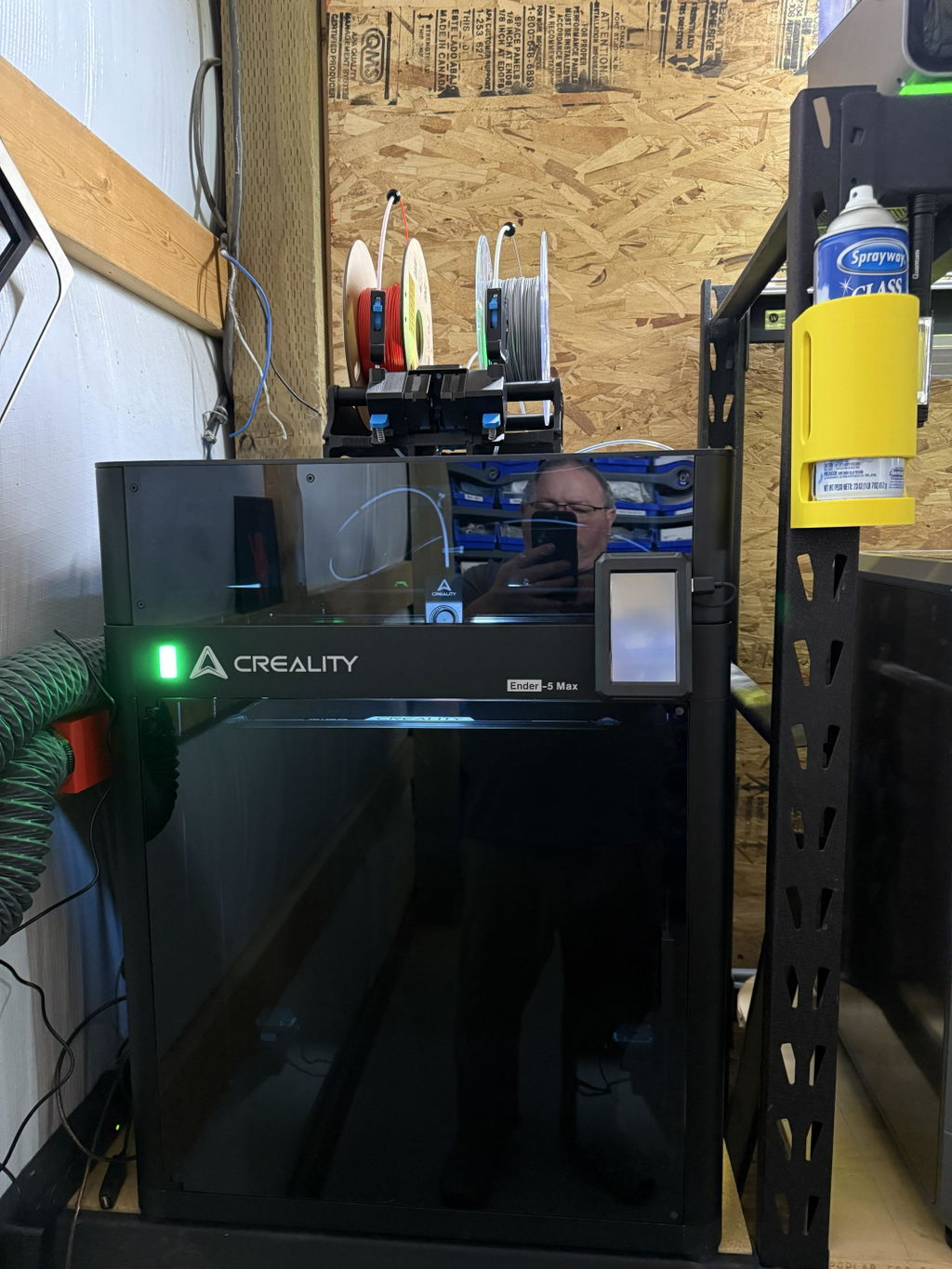
When it works, it works very well, and in the right setup, it’s a genuinely useful upgrade.
I want to start by saying; I have been using the S1 Plus for a few months now and I really like it, I do recommend it. Especially for print farms or anyone running very large-format printers. I’m using it with the Creality Ender 5 Max specifically to support long-duration prints and to fully utilize filament spools. One of its biggest advantages is eliminating those last unusable loops of filament, which is a small but meaningful efficiency gain over time.
That said, my experience hasn’t been without issues, and they’re worth noting if you’re considering this for a similar setup.
The main challenge I’ve encountered is reliability in filament feeding during transitions. On a few prints, the filament was properly engaged by the gearbox, but when switching from one side, it would occasionally catch or bind instead of feeding smoothly. When this happens, the system doesn’t recover gracefully, it simply stops pushing filament, which can lead to a failed print.
This problem is compounded by compatibility limitations with the stock Creality filament runout sensor. It isn’t designed to accept a PTFE fitting on the input side, which makes integration awkward. I attempted to add an adapter, but it introduced additional catching point and didn’t fully resolve the issue. I’ve since ordered a BIQU filament sensor, which should be better suited for this kind of setup, though I haven’t tested it yet.
Running without a filament sensor is risky in this case. If a feeding issue occurs, the printer won’t pause, it will continue printing without material, effectively ruining the print unless you’re willing to salvage it by reprinting missing sections and assembling them manually.
It’s also important to mention that some of the issues in this setup comes from the printer itself rather than the S1 Plus. The stock extruder on the Ender 5 Max isn’t designed with a PTFE tube fitting, meaning you typically have to remove the tube entirely for filament changes. When using the S1 Plus, it can push filament into the extruder, but it may also push the PTFE tube out under pressure, once this happens the filament keep from the S1 as there is no back pressure for the S1 to sense, so it keeps feeding.
There are a few ways to address this:
Adding a custom PTFE adapter to the top of the stock extruder (I designed and printed one myself) Quickest and easiest fix.
You can Download it here. > Creality Cloud -Ender 5 Max InfinityFlow adapter From Any Idiot https://www.crealitycloud.com/model-detail/693365fc1d09900e7de0fdac
Upgrading to a K1-style extruder
Switching to a DXC extruder. (Requires modification to fit.)
Overall, the S1 Plus is a strong tool with clear benefits for large-scale or continuous printing, but it’s not entirely plug-and-play—especially with stock Creality hardware. If you’re comfortable making a few hardware tweaks and dialing in your setup, it can be a worthwhile addition. Otherwise, be prepared for some trial and error to get consistent performance.
Happy Printing and thank you Infinity Flow.
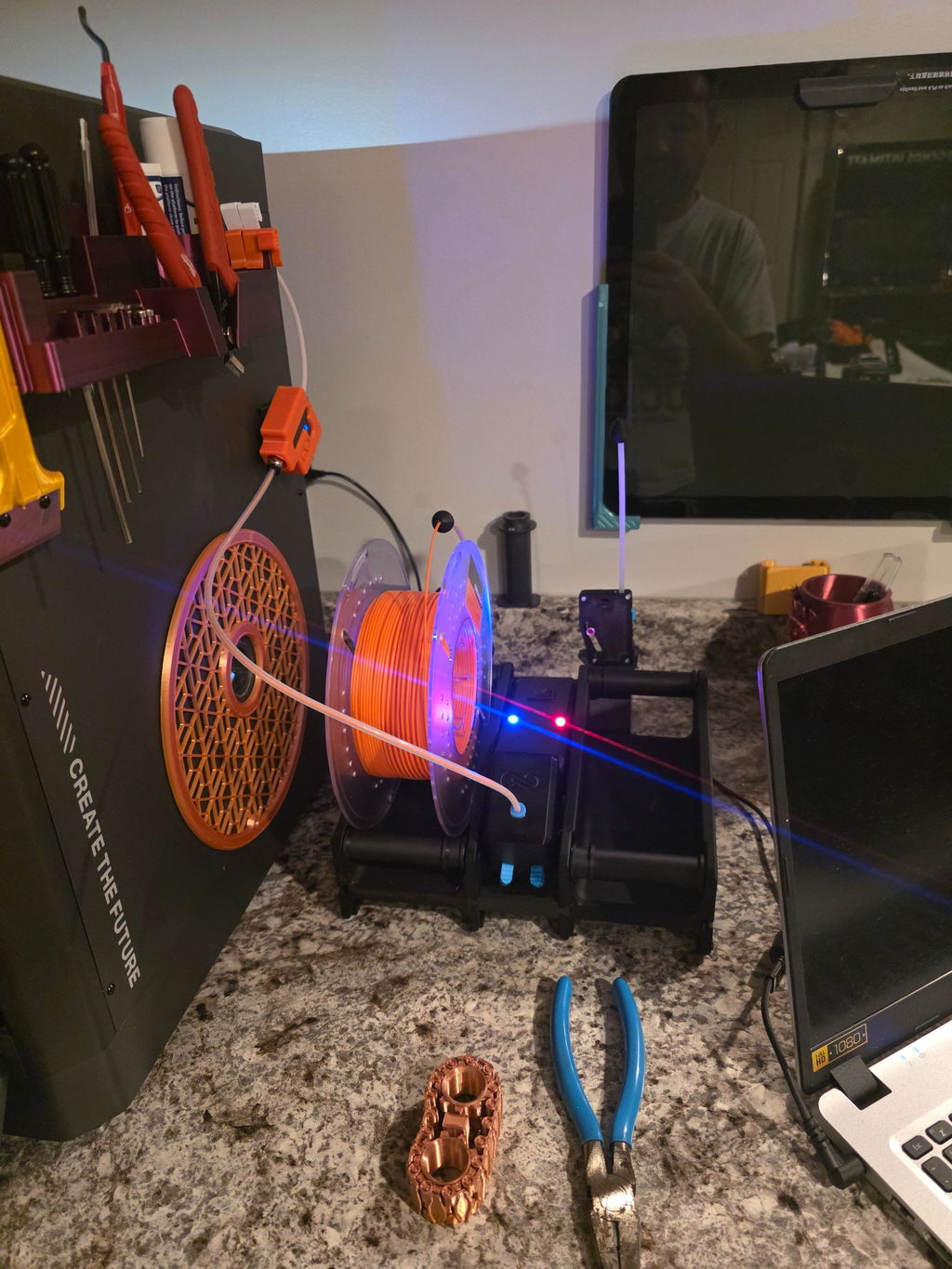
Entire setup has worked flawlessly. Really great to not waste time on worrying if a print will fail due to filament running out or snagging.
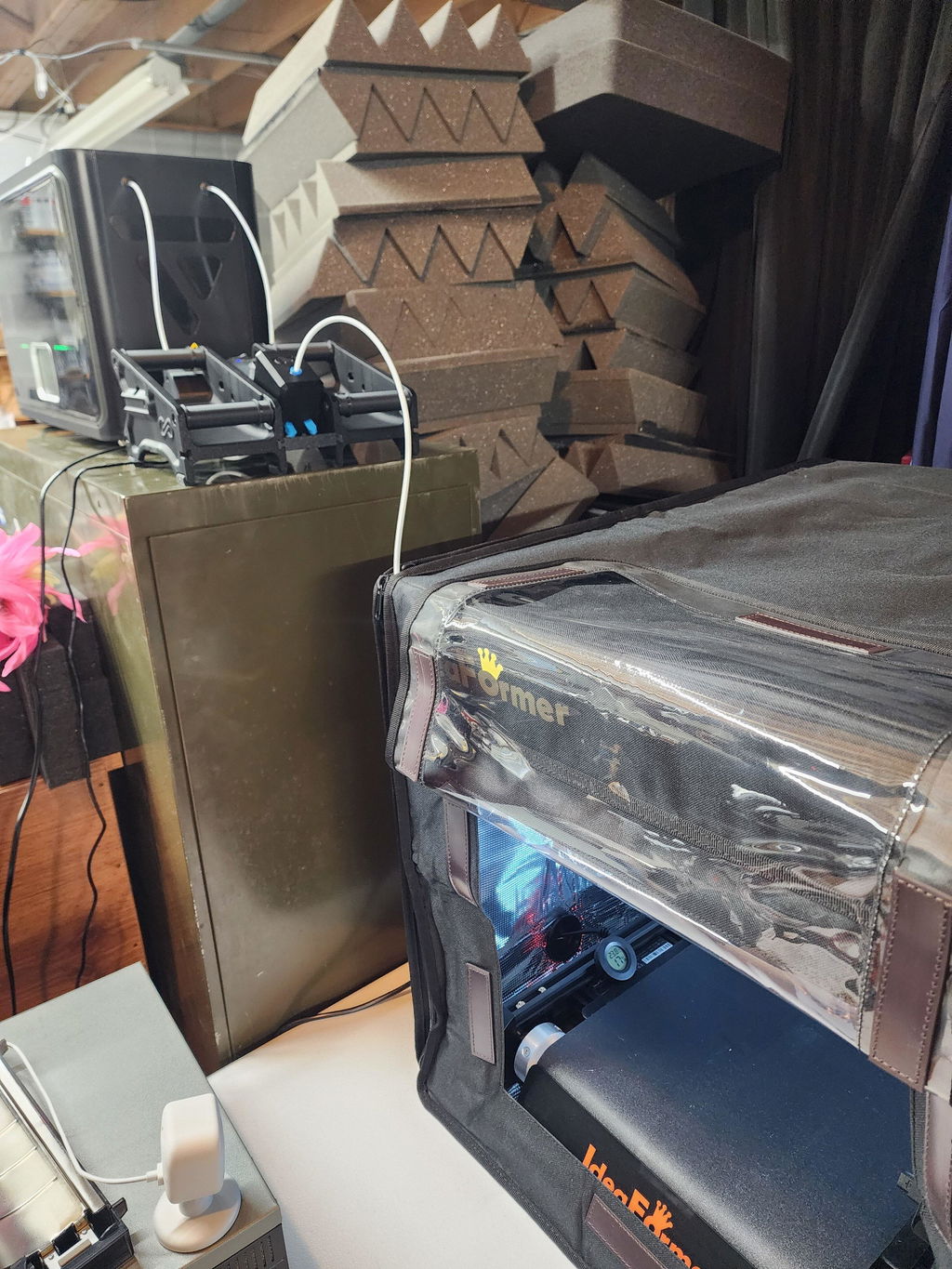
Really loving this thing. I'm using this with my IdeaFormer IR3 v2 printer, and it has absolutely zero idea that there's an S1 Plus keeping filament comin'. Plus I love that the S1 Plus takes some of the load off the extruder by pushing the filament the length of the PTFE so the extruder doesn't have to work to "pull" the filament from the dry box.
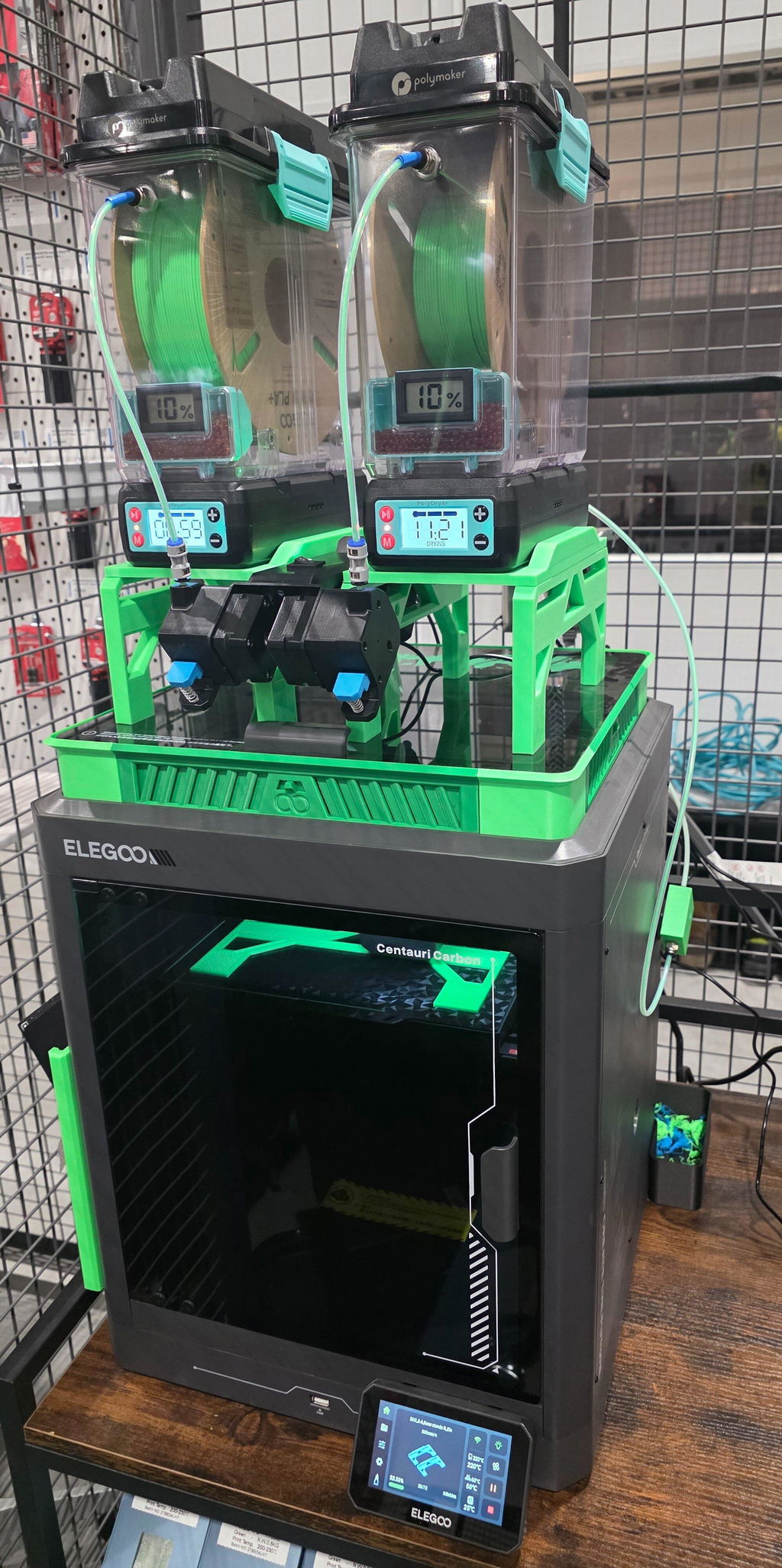
Awesome product. I ended up replacing the entire spool holder so I wish I would have just bought the feeding mechanism, but aside from that, it works awesome. No more fearing running out of materials mid print, and no more saving partial rolls. If I could suggest one improvement, I would either add directions/instructions in the box or at least something with a link on explain initial setup/start up. It was a little frustrating searching that out.
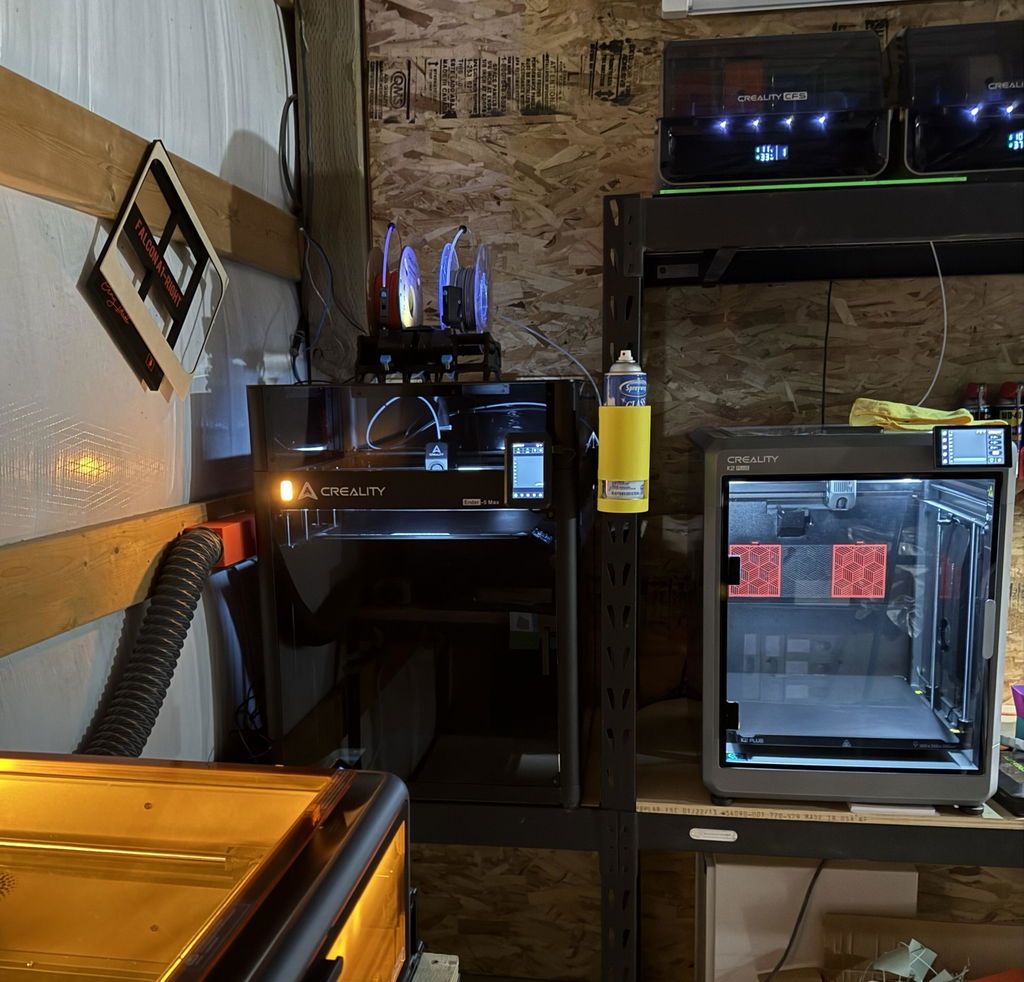
Just got my S1 Plus and it is Fantastic! Installed it on my Ender 5 Max and no issues. Only thing I did is remove the filament sensor from inline and went direct using a coupling. I plan on replacing the PTFE tube with one solid run to get rid of the joint and remove one more possible point of failure. I also purchased the auto-cutters, work great as well. Had to test. Great machine. Make the huge build volume of the E5M very usable and no more waking up to filament out errors massages. 😎
Thank you for designing this.
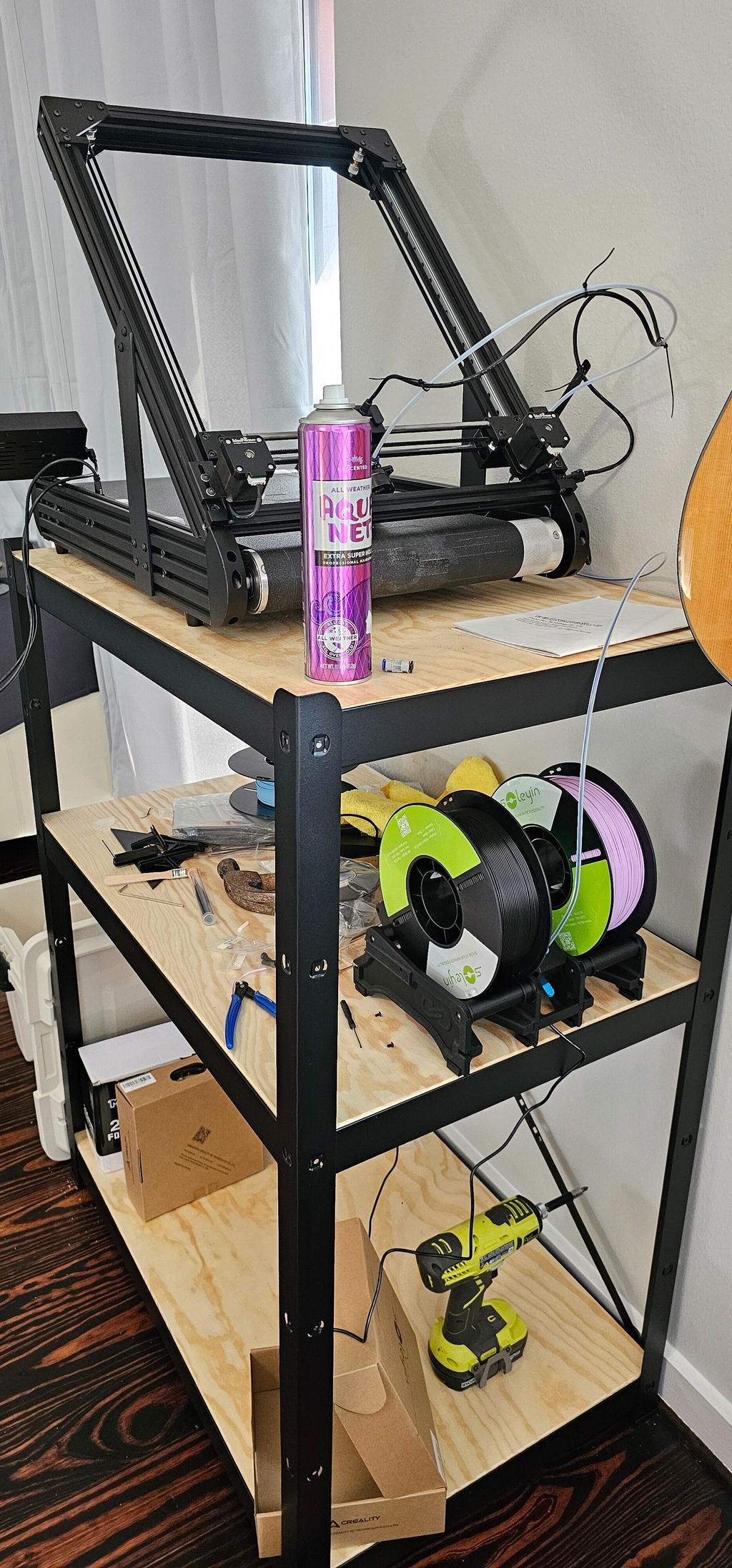
Easy quick set up
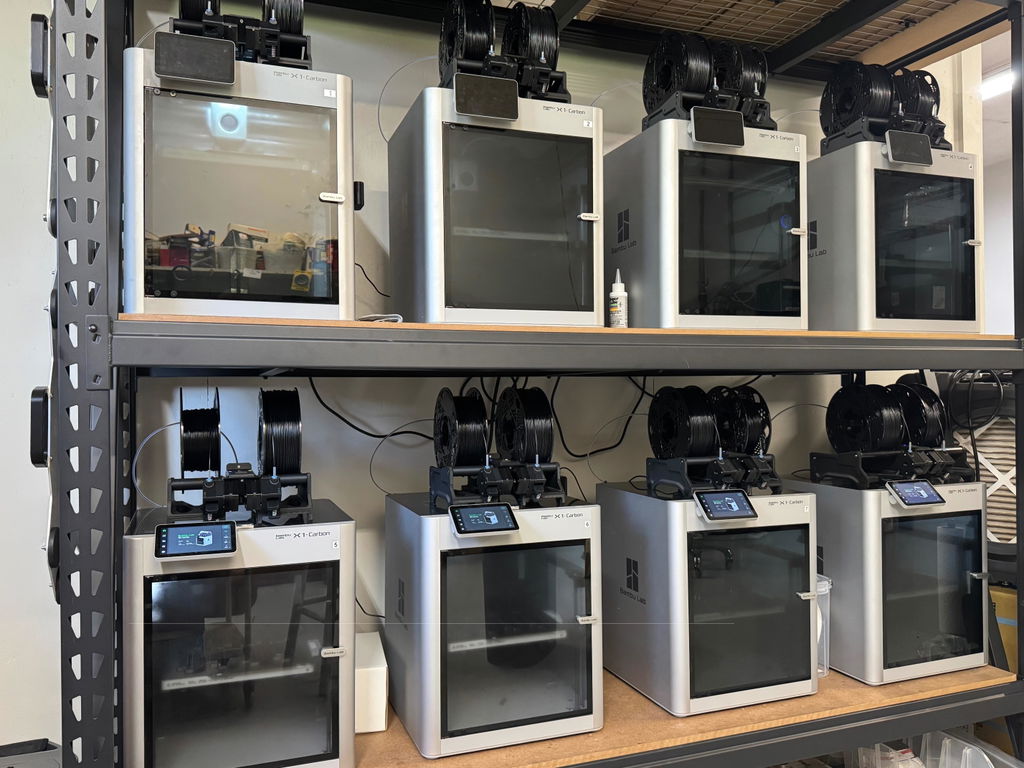
I run a print farm and recently installed several Infinity Flow S1 units. So far, they’ve been working great and have significantly improved our workflow.
One of the biggest changes we’ve made is transitioning away from 3.5kg spools back to standard 1kg spools. At first, this seemed like a step backward—larger spools meant fewer swaps—but in practice, it’s been the opposite. With the Infinity Flow S1 handling spool changes automatically, downtime is reduced. Previously, we’d often find printers sitting idle, using electricity and waiting for someone to swap filament, sometimes for hours. That kind of pause not only kills efficiency but often results in defects when the machine resumes and wasted filament.
Now, with these units in place, we’ve cut our exposed filament inventory nearly in half and improved print reliability. Fewer delays, less defective prints, an easier management of spool swaps.
All in all, I’m very happy with how the Infinity Flow S1 units are performing. They’ve solved real, daily issues in our operation, and I wouldn’t hesitate to recommend them to anyone managing multiple machines.
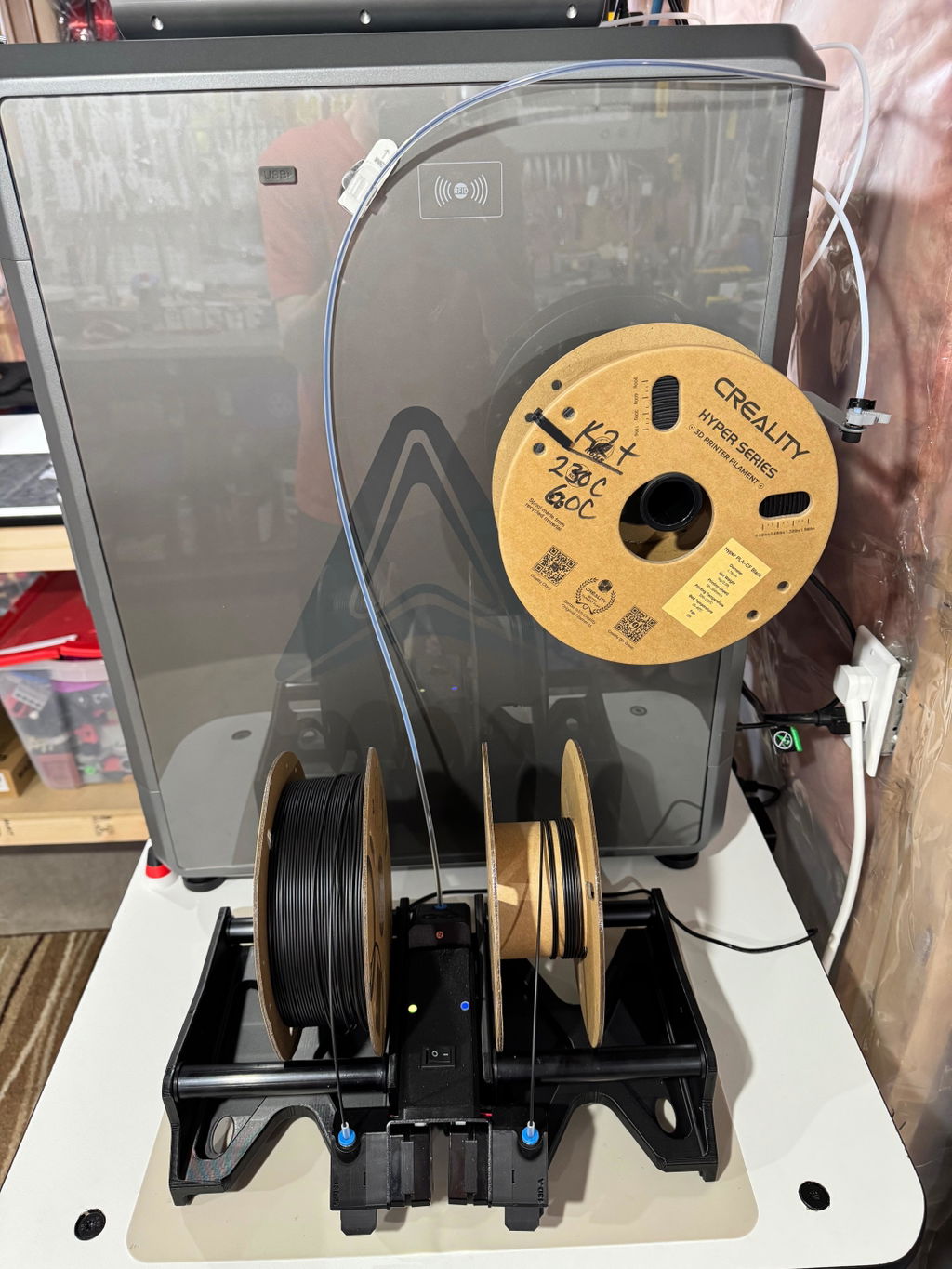
My use case for the S1 came about as I was about to print 4 x 10” custom rim & tires I designed to replace the standard hard plastic ones on my grandson’s 24 volt ride on toy C8 corvette car. I printed the rims in PLA+ and the tires in TPU. They used a lot of filament (20 hr print time for the rims) and I couldn’t let them run overnight unaccompanied because Murphy’s law says the filament would have definitely run out. The S1 works great and I have it switched on/off in tandem with my main printer. A highly recommended product.
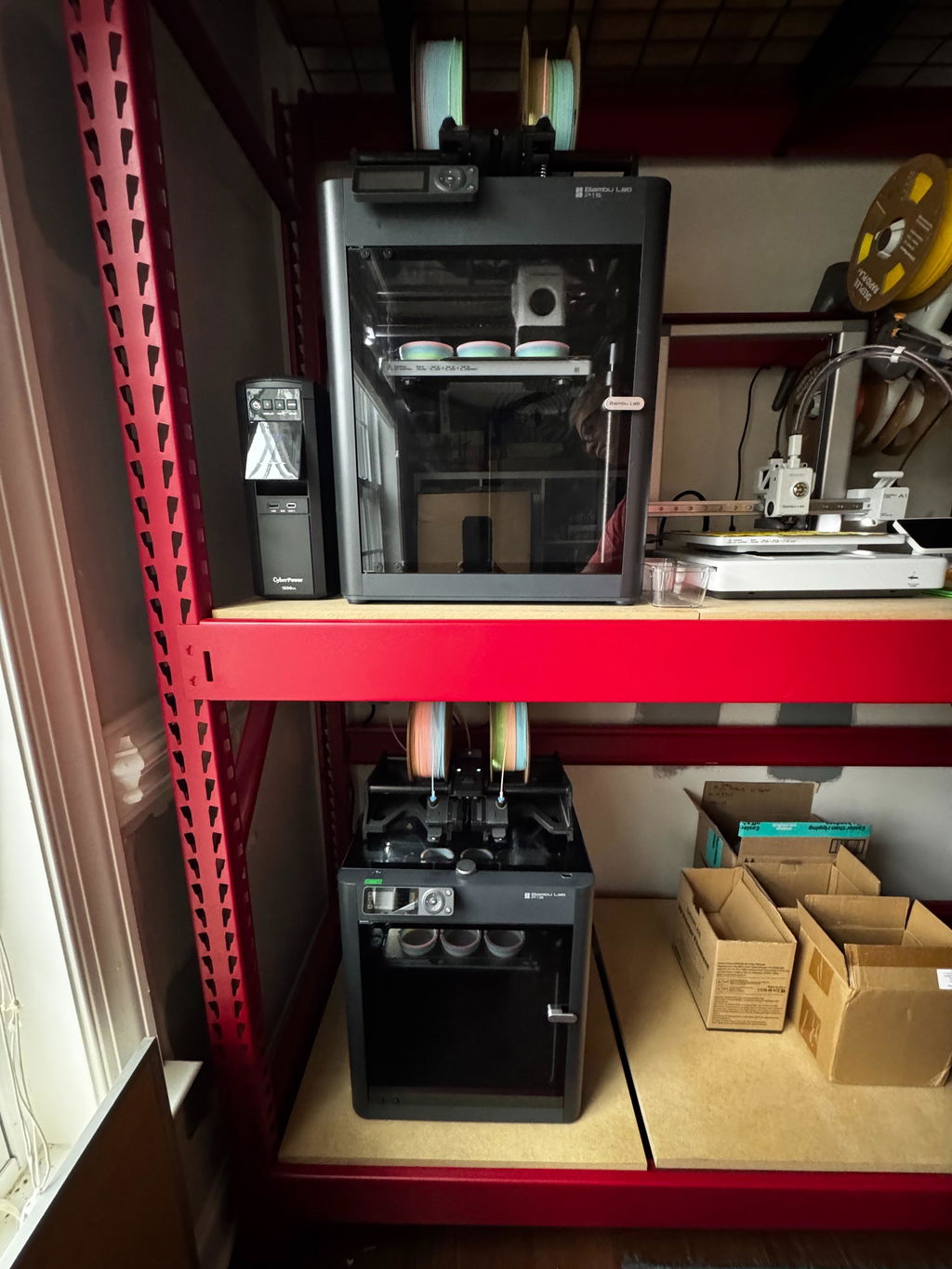
Overall, I think the S1 is a great product that solves a specific problem for my single color farm printers better than the alternatives (DIY or AMS). I love that it will work with any printer I have or can see myself using commercially in the near future.
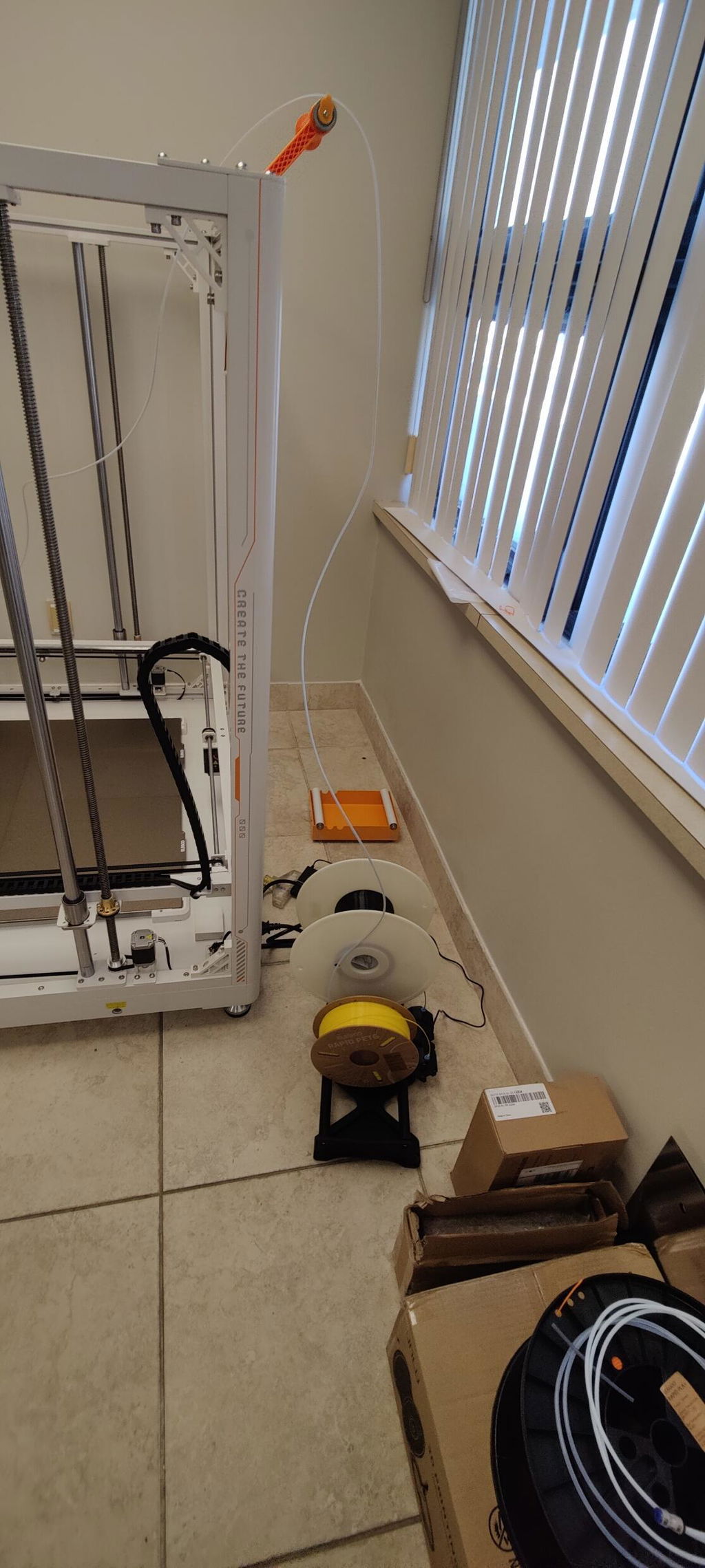
Awesome product that solves a big issue with 3d printer especially when printing bigger objects. No longer need to swap half used spools for big prints and have to worry about your filament running out in the middle of the night. Currently using for my Elegoo Orange Storm Giga and will also be buying it for my Elegoo Neptune 4 Max and Anycubic Kobra 2 Max. The 5 kg model is awesome because you can use it for any filament size.
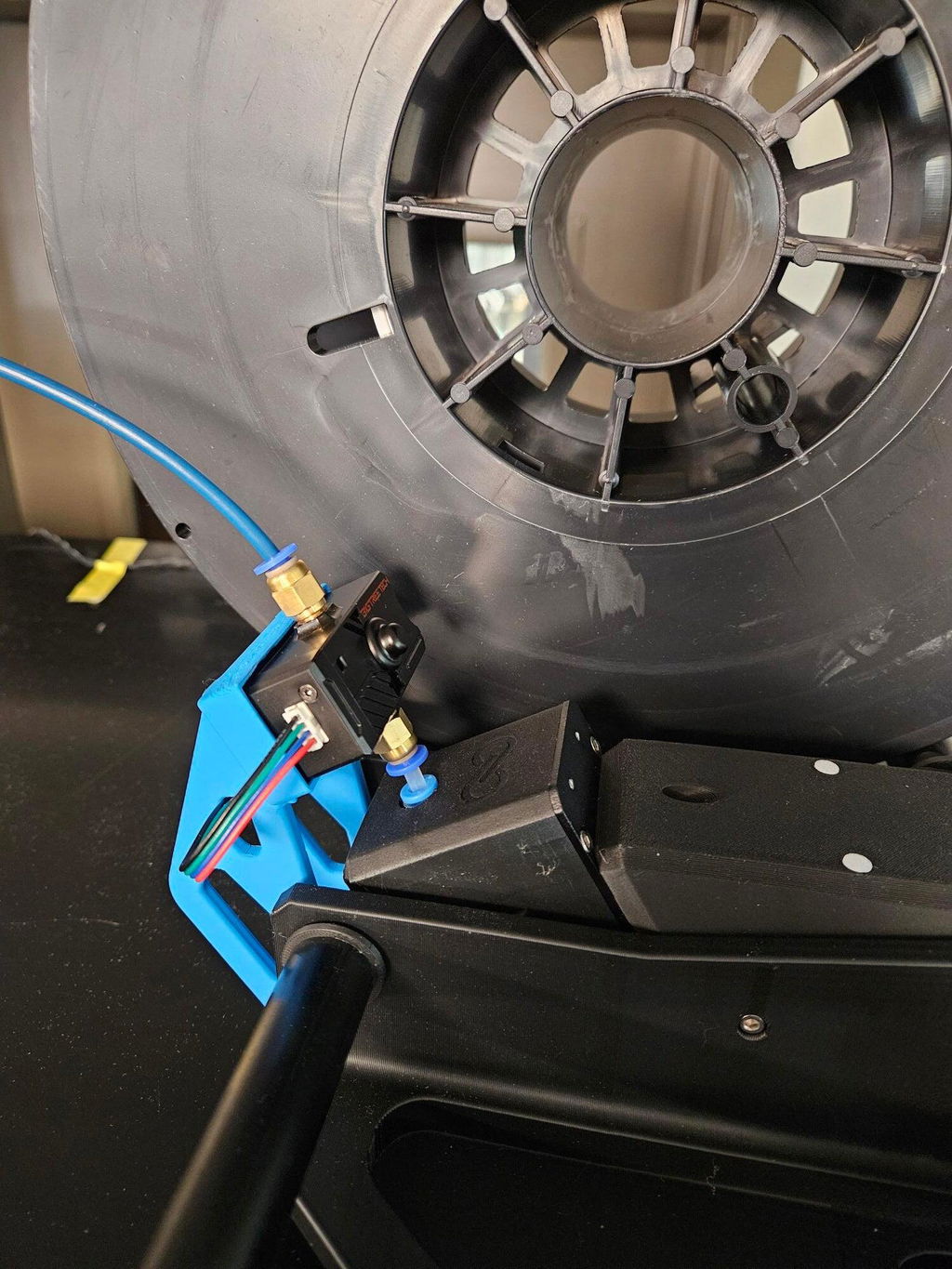
I love this thing! I had be working to build something similar, but when I saw your product I was over it and ordered 3. Works like a charm!
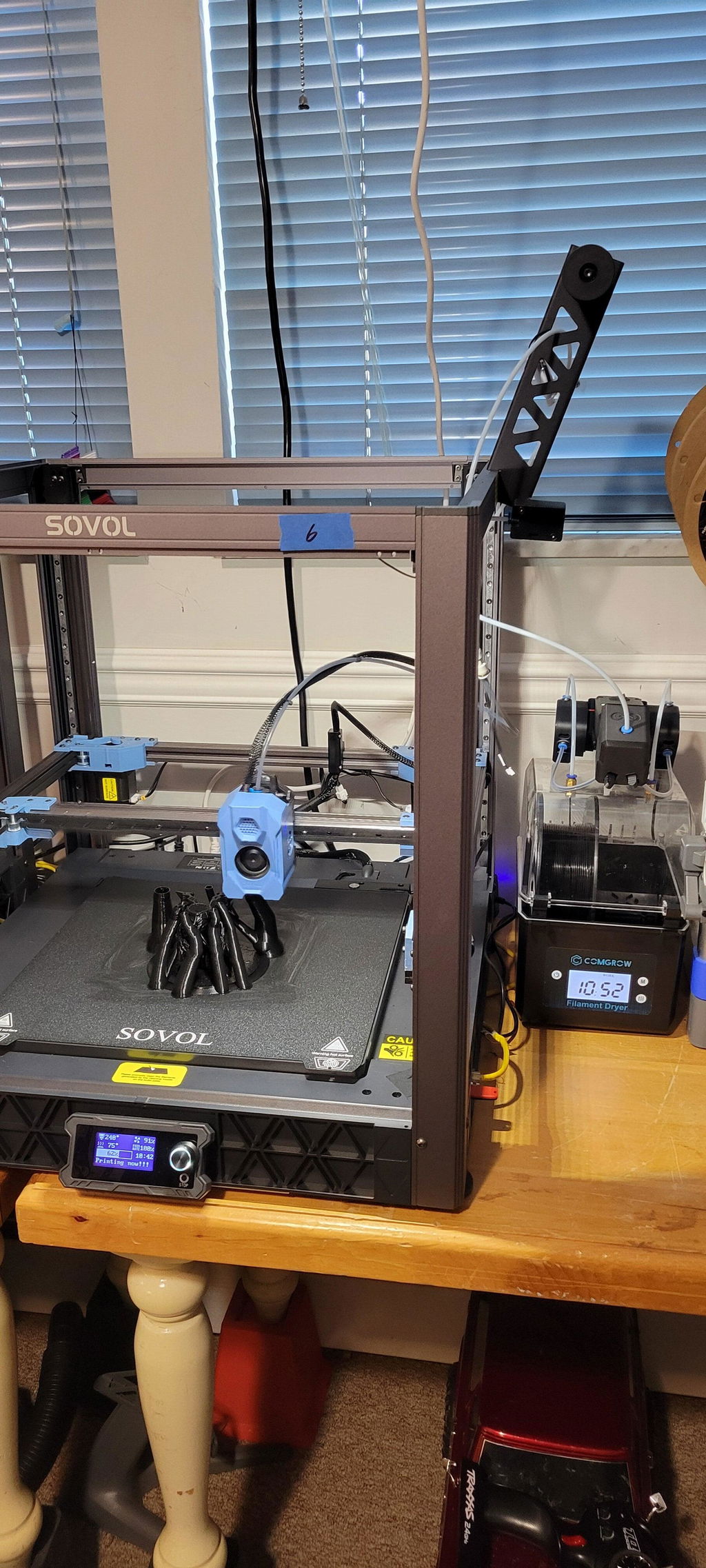
It just works! I've been wanting a solution like this for years! Not only does the S1 handle continuous printing for me, but it also relieves the strain of my extruder from pulling filament all of the way from the filament dryer. It's the perfect pair with a two spool dryer!
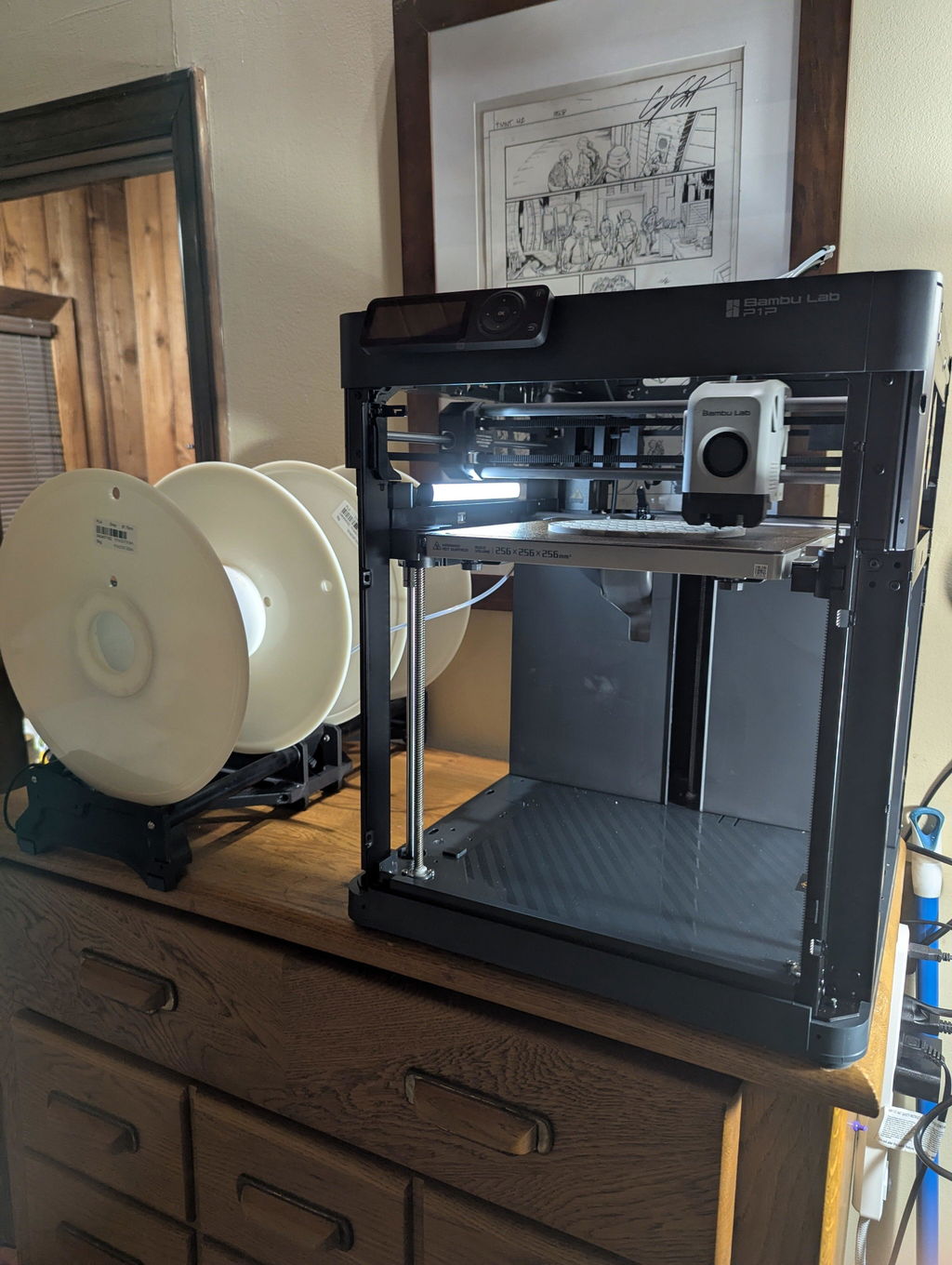
The only failure I've had has been a spool that was tangled on itself, nothing the infinity flow or printer can do about that. I had 5 or six spools that I wasn't comfortable enough to use them for anything but couldn't throw out in good conscious, but now all the filament from them is used up and I can get rid of the spools.
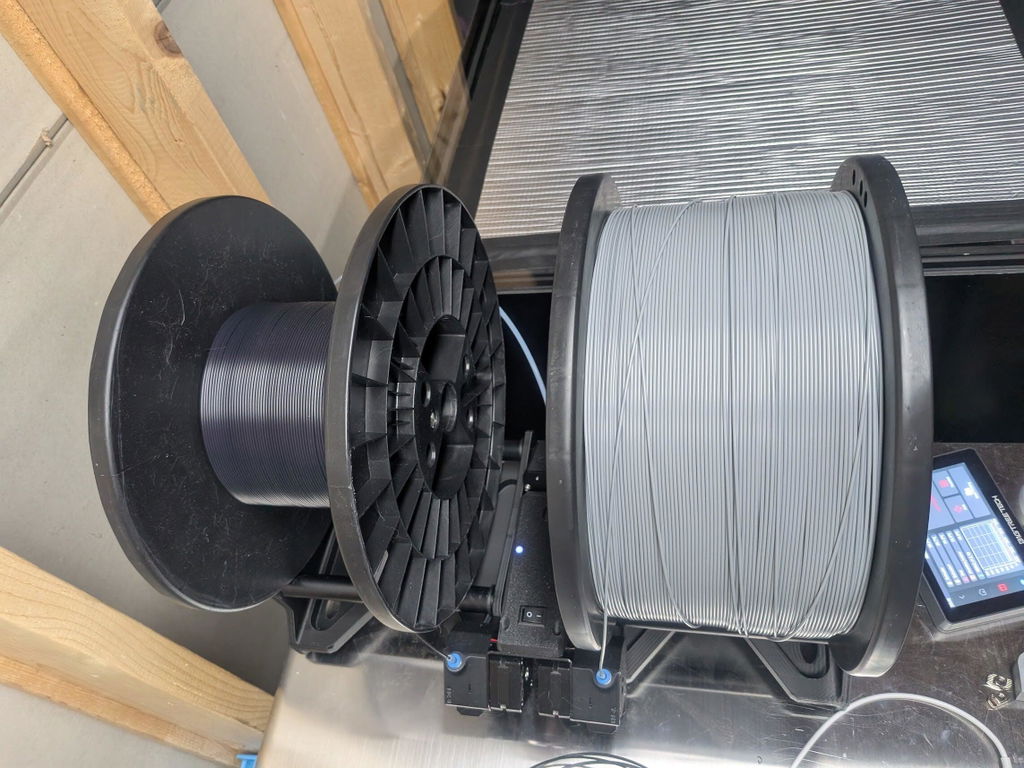
The infinity flow is pretty darn cool and solves a huge need I had with my kit printer, which has long PTFE paths. It's long been a pain for me to just load filament, let alone deal with changes mid print. Now I don't have to worry about that! It's been really nice to just set and forget with multiple spools.
Automation for Any 3D Printer
Effective Solutions | Simple Setup | Better Productivity


Universal Compatibility
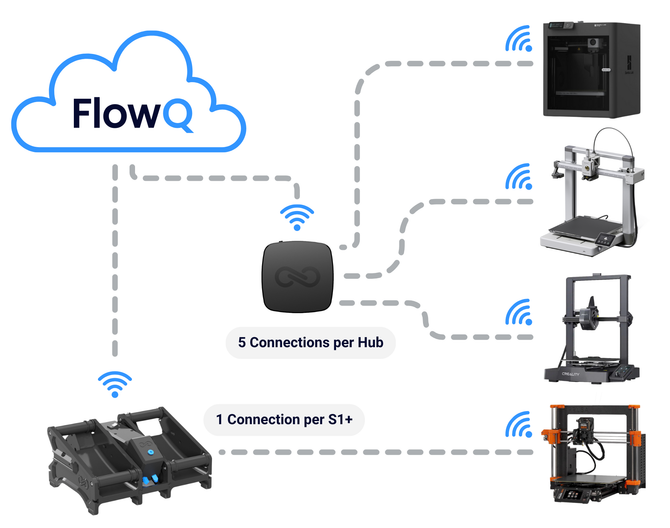
Our products work most FDM 3D Printer on the market making them perfect for multi-brand fleets.

Simple Setup
We pride ourselves in creating products that are simple to setup and easy to use. All of our systems can be installed in under 5 minutes.

USA Based
Our software uses end-to-end encryption to protect your data and ensure reliable cloud communication. All products are proudly developed in the USA.

Never Runout of Filament Again
No more stopped, paused, or failed prints from filament runout.
Seamless Filament Reloads
Because the S1+ does not pause your print for reloads, there is no transition point.
Your prints come out perfect like nothing happened.

For All Spool Sizes
The S1 Plus is available in multiple roller sizes to handle any filament spool size.
Larger rollers can also be used with smaller spools, so you don’t need a different unit for every roll size.
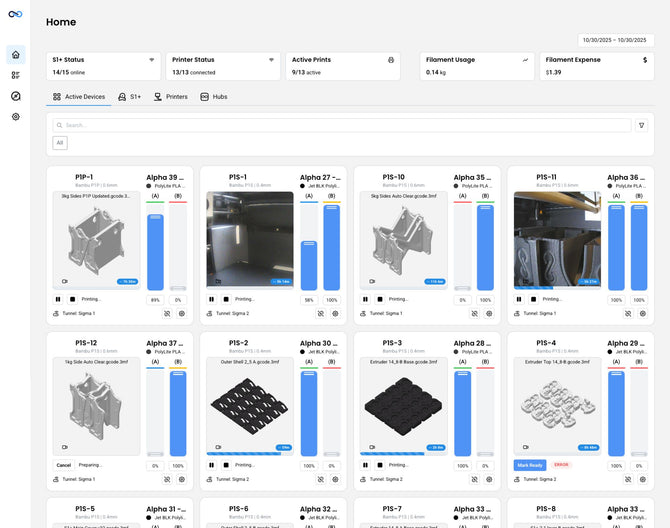
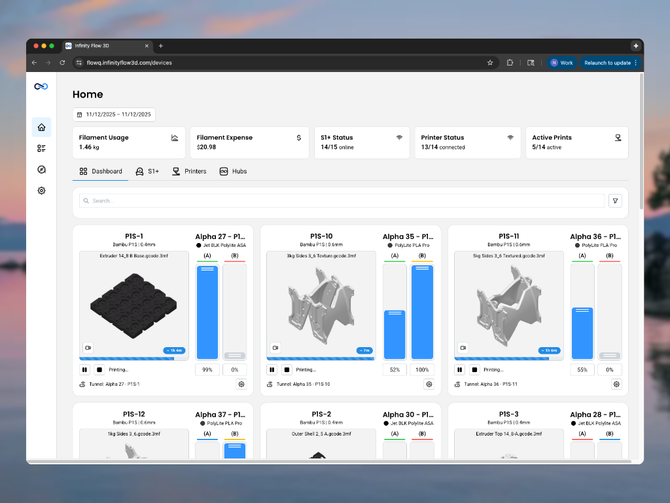
Smart 3D Printer Managent Software
Automation | Print Queues | Remote Access | Filament Tracking

For any bed clearing system
Full Automation & Looping

With Auto start & job looping
Adjustable Print Queue
Works with Most 3D Printers
Not affiliated with the brands shown. Logos are used only to represent compatibility only.


Subscribe to our newsletter
Get notified for product launches and exclusive offers.